







 August 13, 2025 - BY Admin
A Close Call at Mombasa Port
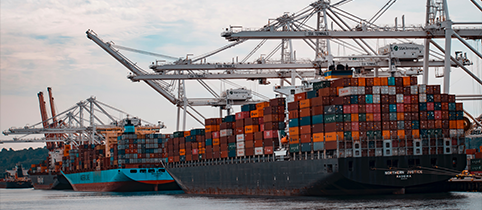
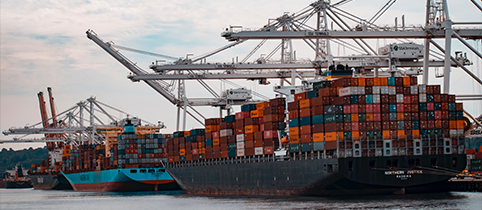
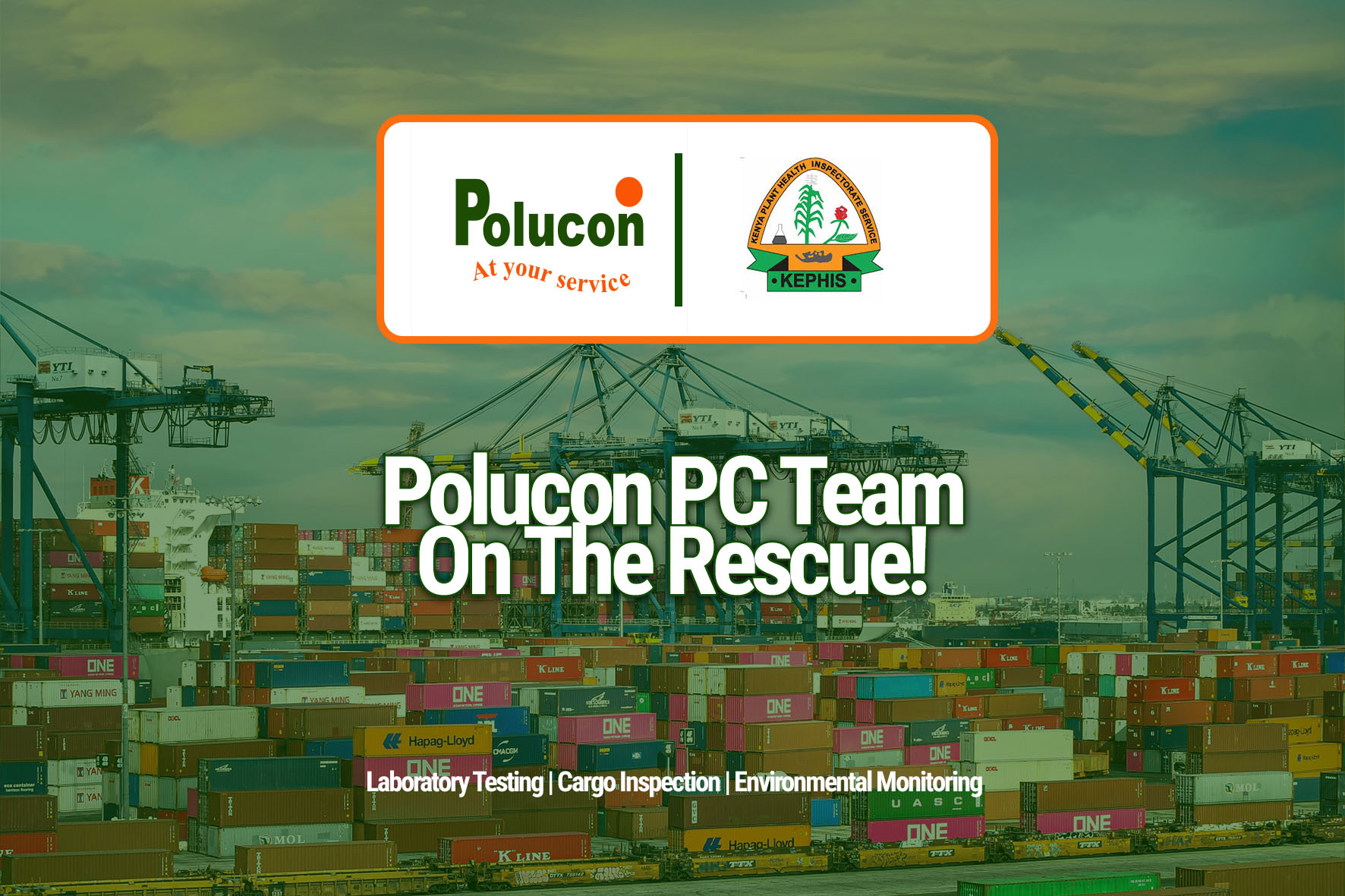
Last month, a cargo ship carrying heavy machinery docked at Mombasa Port on July 29, 2025, after a long journey from Italy. What seemed like a routine arrival turned into a critical situation when inspectors discovered signs of Asian Gypsy Moth (AGM), a pest that can wreak havoc on crops like maize and wheat. Left unchecked, it could have posed a serious threat to Kenya’s agriculture.
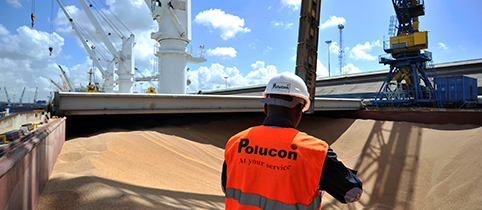
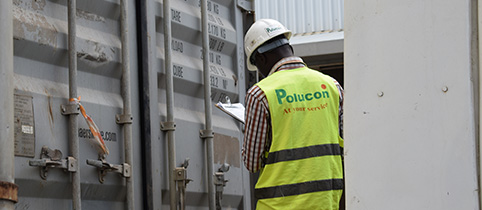
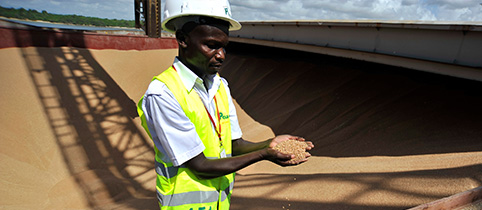
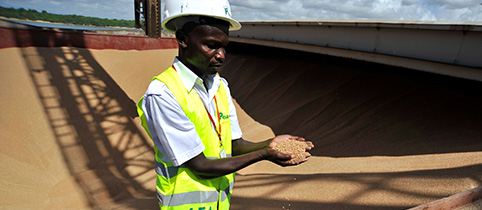
Our team at Polucon, working closely with KEPHIS, stepped in to address the issue. A recent KTN News segment captured the process, showing how we carefully fumigated the vessel’s holds, decks, and cargo zones to eliminate the pests. Curious about how it all went down? Check out the clip below.
Why Vessel Fumigation Is Critical
Ships travel across the globe, and with them, pests can hitch a ride. Invasive species like AGM can devastate local ecosystems and agriculture if they spread. Vessel fumigation isn’t just about protecting cargo—it’s about safeguarding entire industries. Here’s why it matters:
- Protecting Ecosystems: Stops invasive pests from spreading to new regions.
- Saving Cargo: Ensures goods meet export standards, avoiding costly rejections.
- Meeting Regulations: Complies with KEPHIS and international phytosanitary rules.
- Keeping Ports Moving: Quick fumigation minimizes delays for vessels.
How We Ensure Safe and Effective Fumigation
At Polucon, we don’t cut corners. Our team is KEPHIS-licensed and follows NEMA guidelines, with inspection and testing processes aligned with ISO/IEC 17020 and 17025 standards. We use approved fumigants, calibrated equipment, and strict safety measures like full PPE, gas monitoring, and detailed clearance documentation to ensure the job is done right.
Our Range of Pest Control Services
Beyond vessels, we offer a variety of pest control solutions to keep your operations pest-free. Here’s a quick look at what we provide:
| Service | Coverage | Learn More |
|---|---|---|
| Vessel Fumigation | Holds, decks, cargo, certification | Details |
| Container Fumigation | Conventional and CO₂ methods | Details |
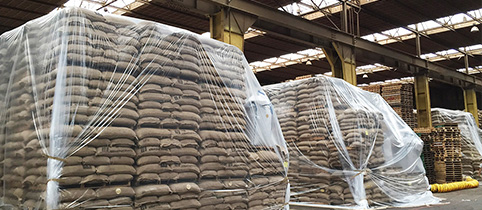
| Stack Fumigation | Bulk commodities, tenting | Details |
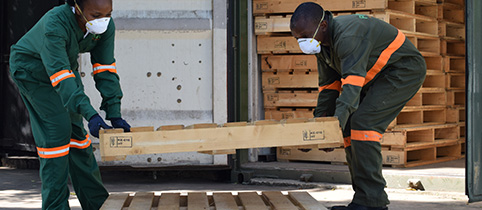
| ISPM-15 Heat Treatment | Wood packaging compliance | Details |
Common Questions About Vessel Fumigation
What parts of a vessel do you fumigate?
We inspect and treat holds, decks, bulk cargo zones, and containers as needed to ensure all pests are eradicated.
Is your fumigation compliant with regulations?
Absolutely. We’re KEPHIS-licensed, NEMA-aligned, and follow ISO/IEC 17020 and 17025 standards for safety and quality.
Where can you provide these services?
We operate across Kenya, Uganda, Tanzania, Rwanda, Burundi, Somalia, and Malawi, with teams based in Nairobi and Mombasa.
How long does vessel fumigation take?
It depends on the vessel size and infestation level, but most jobs are completed within 24-48 hours, including inspection, treatment, and clearance.
What types of pests can you handle on vessels?
We target a range of pests, including Asian Gypsy Moth, beetles, rodents, and other invasive species that threaten cargo and biosecurity.
How do you ensure cargo safety during fumigation?
We use approved fumigants and follow strict protocols to protect cargo integrity, ensuring compliance with export standards and no damage to goods.
Can you fumigate during port operations?
Yes, we coordinate with port schedules to minimize disruptions, using safe and efficient methods to meet tight timelines.
What happens if pests are found after fumigation?
We conduct thorough post-treatment inspections and provide follow-up services if needed to ensure complete pest elimination.
See the Fumigation in Action
Want to see how we handled the Mombasa Port challenge? KTN News covered the process, highlighting our work to protect Kenya’s agriculture. Watch the segment below.
Need Vessel Fumigation?
We offer rapid assessments and KEPHIS-compliant solutions tailored to your port schedule.